Anion Gap Calculator for DKA
What the Anion Gap Measures in DKA
The anion gap is a laboratory-derived value that aids in identifying the origin of metabolic acidosis. In diabetic ketoacidosis, it is especially useful because it indicates the accumulation of acids that are not directly measured on a standard chemistry panel. This renders the anion gap a practical diagnostic tool for identifying high anion gap metabolic acidosis.
An anion gap calculator estimates the difference between the major measured cations and anions in the blood. The result helps clinicians review serum chemistry data in the context of the patient’s acid-base balance. In DKA, the gap elevates as ketones increase and contribute unmeasured anions to the bloodstream.
Because DKA is an acidotic state, the body typically shows a low bicarbonate level along with an elevated anion gap. That pattern reflects ketone accumulation and a broader metabolic derangement. The anion gap does not diagnose DKA by itself, but it helps support the diagnosis and tracks how the condition is changing over time.
How to Use an Anion Gap Calculator
An anion gap calculator relies on a few routine lab values from the electrolyte panel. You input the serum sodium, serum chloride, and serum bicarbonate values, and the calculator uses the calculator formula to calculate the result.
The simple workflow is simple:
- Record the latest serum sodium value.
- Record the serum chloride value.
- Obtain the serum bicarbonate value from the serum chemistry panel.
- Enter the values into the calculator.
- Examine the result alongside the rest of the laboratory results and clinical assessment.
This is useful because DKA evaluation rarely depends on one anion gap clinical significance number alone. The anion gap is part of a wider lab interpretation process that includes the patient’s symptoms, glucose level, ketone testing, pH, and treatment response. A calculator speeds up the math, but interpretation still demands clinical judgment.
Many clinicians apply the result as a rapid screen for metabolic acidosis and as a marker of resolution of acidosis during treatment monitoring. As the underlying ketoacidosis improves, the anion gap should trend toward normal and eventually show anion gap closure.
Anion Gap Formula and Normal Ranges
The traditional anion gap formula is:
Anion gap = Sodium − (Chloride + Bicarbonate)
By applying this formula, the calculator determines the relationship between measured ions in the blood. Sodium is the key measured cation, while chloride and bicarbonate are the principal measured anions included in the calculation. Any additional acids in the blood are often represented indirectly as unmeasured anions.
The normal anion gap range varies a bit depending on the laboratory method and the reference range used by that lab. That variation is why it is important to read the number in context rather than rely on a single universal cutoff. A mildly different result may still be normal if the lab’s reference interval differs.
In practice, the anion gap should be interpreted with the rest of the electrolytes and with awareness of albumin correction. Albumin is a negative protein that affects the gap, so lower albumin can make the gap appear falsely low or normal. That is one reason a raw value may not tell the full story.
Why the Anion Gap Is Increased in Diabetic Ketoacidosis
In DKA, reduced insulin leads to increased fat breakdown and formation of ketones, notably acetoacetate and beta-hydroxybutyrate. These acids add to the blood as unmeasured anions, which increases the anion gap and leads to ketoacidosis.
The process is a straightforward disturbance in acid-base balance. As ketones accumulate, they consume bicarbonate, decreasing the bicarbonate level and resulting in a metabolic acidosis with a high anion gap. This pattern is a recognizable hallmark of DKA and helps differentiate it from other forms of acidosis.
Beta-hydroxybutyrate is frequently the dominant ketone in severe DKA, so the degree of ketosis may be greater than a urine ketone test suggests. That is why the anion gap and direct ketone testing are complementary. Together, they show the patient’s acid burden more precisely than either test alone.
Revising the Anion Gap for Albumin
Albumin strongly influences the measured anion gap because it is a important unmeasured anion in blood. When albumin is low, the anion gap may be too low. This is why albumin correction is often recommended, especially when the clinical picture suggests acidosis but the raw gap seems less striking than expected.
Hypoalbuminemia can occur in many hospitalized patients and can mask a true high-gap process. In that setting, a corrected anion gap gives a clearer picture of the patient’s metabolic state. The corrected value helps avoid missing DKA or failing to recognize the degree of acid accumulation.
Although formulas for albumin correction can be slightly different, the goal is the same: modify the gap based on the measured serum albumin so the value better reflects the true acid burden. This matters because a normal-looking gap can be overly reassuring if albumin is low. In DKA workups, the corrected value can improve lab interpretation and support better treatment monitoring.
Other Labs to Evaluate Alongside the Anion Gap
The anion gap is merely one element of the DKA workup. A meticulous evaluation also involves blood glucose, ketone measurement, and acid-base testing. These studies help confirm the diagnosis and inform management.
An arterial blood gas or venous blood gas can provide the pH and bicarbonate level, which show how severe the acidemia is. While venous testing is often adequate in many settings, the choice relies on the clinical context. Either way, the pH helps characterize the acidotic state and adds to the differential diagnosis.
Beta-hydroxybutyrate is especially useful because it directly measures ketone burden. It can confirm ketone accumulation even when other markers are less clear. Blood glucose is also essential, but a normal or only mildly elevated glucose does not rule out DKA, especially in euglycemic presentations.
Reviewing these findings together creates a more complete picture of the metabolic derangement. The anion gap, blood gas, glucose, and ketones should be viewed as a group rather than as isolated laboratory results.
How the Anion Gap Changes During DKA Treatment
Treatment of DKA typically includes insulin administration and fluid replacement. As insulin inhibits ketone production and fluids improve circulation and renal clearance, the anion gap should progressively fall. This trend is one of the clearest signs that treatment is effective.
During treatment monitoring, the clinician watches for anion gap closure, which suggests that the major ketoacid burden is clearing. The gap may normalize before the bicarbonate fully recovers, so it is important to review the entire pattern rather than just one result.
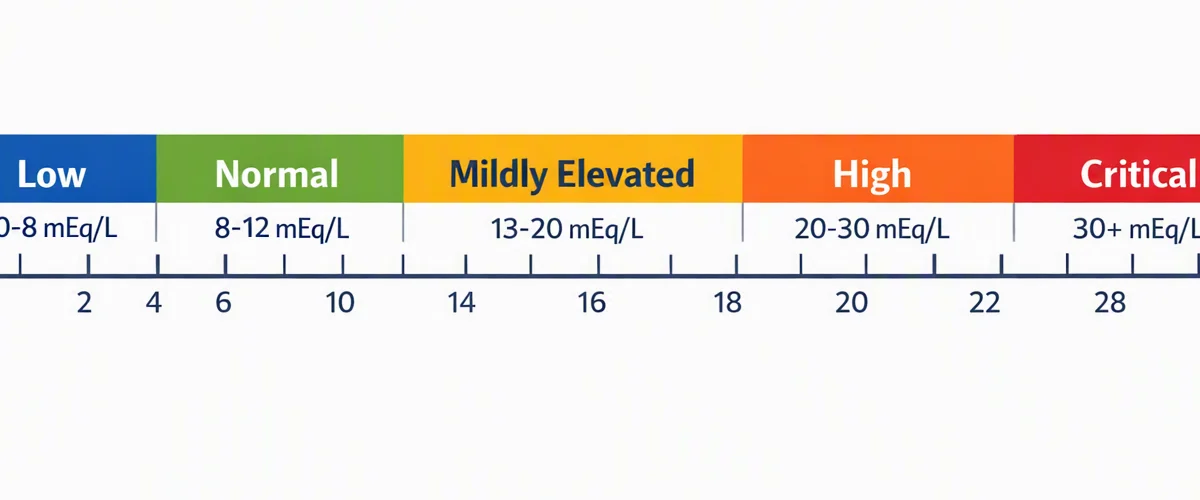
Monitoring electrolytes is essential during this phase. Potassium, sodium, chloride, and bicarbonate can move quickly as therapy progresses. IV fluids and insulin can also alter the apparent acid-base profile, so serial labs are needed to confirm true improvement rather than a temporary lab shift.
As treatment continues, the goal is not only to stabilize glucose but also to correct the underlying acidosis. The anion gap helps show whether the ketoacid production has slowed and whether the body is moving toward a stable acid-base balance.
Frequent Mistakes and Assessment Errors
A frequent mistake is overlooking a mixed acid base disorder. A patient with DKA may also have emesis, respiratory compensation issues, or another metabolic process that modifies the expected pattern. In those cases, the anion gap may not tell the whole story by itself.
Testing error is another issue. A single incorrect sodium, chloride, or bicarbonate result can skew the calculated gap and lead to incorrect conclusions. If the number does not fit the clinical picture, it is reasonable to repeat testing and examine the full electrolyte panel.
Chloride-related acidosis can appear during or after DKA treatment, especially after large volumes of chloride-containing fluids. This can lower the bicarbonate while the anion gap normalizes, making the metabolic picture look unclear. In that setting, the persistent acidosis may be due to chloride rather than ongoing ketone production.
Albumin also is important here. If albumin is low and not accounted for, the gap may appear falsely reassuring. Careful lab interpretation requires awareness of the corrected value, the clinical assessment, and the treatment timeline.
When a Normal Anion Gap Is Not Enough to Exclude DKA
A normal anion gap does not definitively rule out DKA. One important example is euglycemic DKA, where the blood glucose may be normal or only mildly elevated despite active ketoacidosis. This can happen in certain medication contexts or with reduced carbohydrate intake, and it requires a high index of suspicion.
Another reason the gap may look normal is that β-hydroxybutyrate can remain elevated even when other markers are less dramatic. In early or partially treated disease, the anion gap may also begin to improve before the Helpful hints full metabolic picture resolves. That is why clinical assessment is so important.
If the patient still has symptoms and there is persistent acidosis on blood gas testing, DKA can still be present even when the gap is not clearly elevated. In that setting, the differential diagnosis should include DKA, mixed disorders, and other causes of acidosis. The anion gap is valuable, but it is not a standalone rule-out test.
Common Questions
How is the anion gap related to diabetic ketoacidosis?
The anion gap in diabetic ketoacidosis is a calculated lab value that helps identify increased anion gap metabolic acidosis. It rises because ketones accumulate as unmeasured anions, lowering bicarbonate and increasing the gap. It is used to aid diagnosis and monitor response to treatment.
How do you calculate the anion gap from lab values?
Use this anion gap calculator or use the calculation formula for the anion gap: sodium minus chloride plus bicarbonate. The needed values are sodium level, blood chloride, and bicarbonate level. The result should be interpreted with the rest of the serum chemistry and clinical findings.
What is the adult normal range for the anion gap?
The normal anion gap range depends on the laboratory’s reference range and testing method. Since ranges can differ, the best approach is to compare the result with the lab’s stated normal limits rather than relying on one universal number. Albumin level may also influence what seems normal.
Why do you correct the anion gap for albumin?
Correcting the anion gap for serum albumin because low albumin can make the gap appear falsely low or normal. With low albumin, the measured value may underestimate the degree of acidosis. Albumin adjustment helps produce a more accurate corrected anion gap for lab interpretation.
Can diabetic ketoacidosis happen with a normal anion gap?
Yes. DKA with normal glucose, early treatment, low albumin, or a combined acid-base disorder can make the gap appear normal even when DKA is still present. If symptoms, ketones, pH, and bicarbonate indicate ongoing disease, DKA should still be considered despite a normal gap.