What Is the Meaning of a High Anion Gap?
What Is an Anion Gap?
The anion gap is a measurement used in blood chemistry to help clinicians interpret your acid-base balance. It is taken from a routine electrolytes test, often called an electrolyte panel or serum chemistry panel. The formula compares the main positive and negative particles in the blood, especially sodium, chloride, and bicarbonate.
Even though the name sounds technical, the idea is simple: the anion gap helps reveal whether there are unmeasured acids in the bloodstream. Those missing substances can signal an acid-base disorder, especially metabolic acidosis. In practical terms, the number works as an indicator during lab test interpretation and can point toward an underlying cause that may need further testing.
Most of the time, the anion gap is not interpreted alone. It is reviewed alongside other lab values, symptoms, and the full clinical picture. That is why the result has clinical significance rather than being just a stand-alone number.
How an Anion Gap Calculator Functions
An Anion Gap Calculator uses a straightforward formula based on lab values from the electrolyte panel. In its most common form, it subtracts chloride and bicarbonate from sodium. Some versions also account for potassium, but many standard calculations do not. The result is the anion gap calculation used in everyday medical assessment.
The calculator is useful because it assists to turn raw numbers into a more readable pattern. A result is then compared with the normal range or reference range used by the laboratory. That range can vary a little depending on the lab method, the equipment, and whether potassium is included. So a result should always be interpreted in context rather than by a one universal cutoff.
A calculator can help identify whether the result is in the expected range or whether there is an abnormal result that suggests extra evaluation. If the anion gap is elevated, the next question is usually not “What is the number?” but “Why is it high?” That question is where the real diagnostic evaluation begins.
Because the anion gap reflects several parts of the electrolyte panel, it can provide a rapid window into changes in body chemistry. It is especially helpful when a clinician is considering metabolic acid buildup or another problem affecting blood pH.
What Means a High Anion Gap Mean?
A high anion gap often means there can be extra acids in the blood that are not being directly measured by usual labs. This commonly points to metabolic acidosis, a condition in which the body’s acid load rises or bicarbonate falls as the body tries to counteract acid. The effect is a shift in acid-base balance that can affect how organs and tissues function.
In plain language, a high value suggests acid buildup. That buildup may come from the body producing too much acid, not clearing acid well enough, or absorbing a toxin that creates acidic byproducts. The anion gap is not the diagnosis itself. Instead, it is a clue that something is changing in the bloodstream and that the reason needs to be found.
One important detail is that a high anion gap is not the same as every type of metabolic acidosis. Some cases of metabolic acidosis occur with a normal anion gap, which means bicarbonate is low but the gap is not elevated. That difference matters because it helps narrow the possible causes. A high gap often points toward unmeasured acids, while a normal gap often suggests another pattern of electrolyte loss or retention.
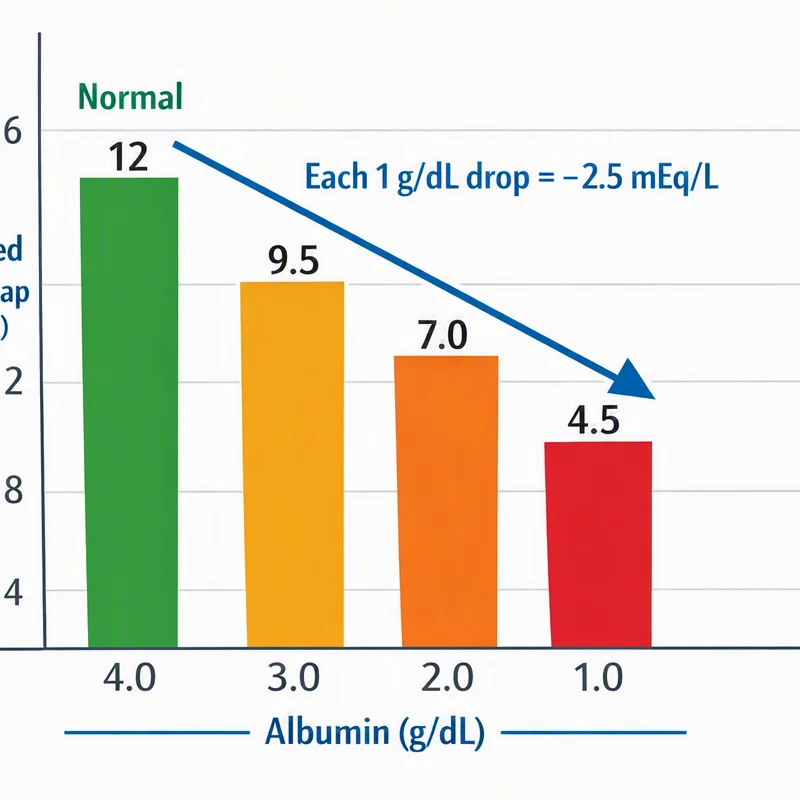
This is why the number is so useful in lab test interpretation. It helps clinicians decide whether the problem is likely due to acid accumulation, poor kidney clearance, diabetic complications, or a possible toxin. The result becomes more meaningful when reviewed with symptoms, medical history, and other tests.
Common Causes of a Elevated Anion Gap
There are a number of various frequent causes of a high anion gap, and many of them are related to acid-base disturbance. One typical cause is lactate-related acidosis, which happens when blood lactate rises because the body is not getting enough oxygen, is under intense stress, or is unable to eliminate lactate well. The higher the lactate level, the more probable acid buildup can lead to the abnormal result.
A further major cause is ketoacidosis from diabetes, a dangerous complication of diabetes. In this condition, the body cannot use glucose properly and starts metabolizing fat for fuel, which produces acidic ketones. These ketones are acidic and can soon elevate the anion gap. That is one reason sugar is an key part of the evaluation.
Kidney failure and impaired renal function are also major causes. When the kidneys are not working well, they cannot remove acid efficiently. That leads to reduced renal function and acid retention, which can elevate the anion gap and worsen the body’s pH balance.
Poisons are another key category. Poisoning or toxin ingestion with substances such as methanol, ethylene glycol, or salicylates can produce a elevated anion gap and require urgent medical attention. These substances can create toxic acid byproducts or disrupt normal metabolism, and the lab pattern may be an first clue before the full clinical picture becomes obvious.
There are other causes as well, but these are among the most clinically important ones. A elevated result should always be viewed as a signal to look deeper, not as a final answer.
Warning Signs and Alerts to Look For
A raised anion gap itself does not produce warning signs, but the condition behind it often can. People with significant metabolic acidosis may notice shortness of breath, because the body tries to compensate by breathing more quickly or more deeply. This change in breathing can be a major warning sign.
Confusion is another significant symptom, especially when the underlying problem is severe or worsening. Changes in mental status can happen with severe acid imbalance, dehydration, toxin exposure, or extremely high blood sugar. If confusion appears abruptly, it should be taken seriously.
Nausea is also frequent. Some people may vomit, feel drained, or experience a loss of their appetite. These symptoms can appear with diabetic ketoacidosis, toxin exposure, infection, or other illnesses that lead to an abnormal result on blood testing.
Dehydration can make things more severe by reducing circulation and kidney clearance. It may also be related to the underlying illness, especially in diabetes or severe infection. Dry mouth, reduced urination, dizziness, and fatigue can all go along with dehydration and should not be ignored.
Because symptoms can appear similar across many illnesses, they must be interpreted with the lab pattern and the person’s entire condition. A high anion gap with severe symptoms needs immediate medical assessment.
How Clinicians Interpret an Unusual Finding
Once the anion gap is outside normal range, clinicians often begin with a more comprehensive health assessment. They might repeat or go over the electrolyte panel, assess the exact blood chemistry pattern, and search for signs of metabolic acidosis. One early follow-up tests is often an arterial blood gas, which is used to measure acid-base status and reveal how pronounced the acid-base disturbance is.
Another helpful test is lactate test. A increased lactate level supports the possibility of lactic acidosis, especially when the patient is ill, has poor perfusion, or has another cause of tissue stress. Clinicians may also check blood sugar to look for diabetic ketoacidosis or other sugar-related problems, since glucose abnormalities can give important clues to the underlying cause.
Kidney function testing is also key to the workup. Creatinine, blood urea nitrogen, and related markers help determine whether the kidneys are clearing acid properly. If renal impairment is present, it may explain why the gap is elevated and whether kidney failure is contributing to the acid-base disorder.
In certain cases, clinicians look for ketones, toxic substances, or specific patterns that match salicylate exposure or alcohol-related poisons. The exact diagnostic evaluation depends on the clinical context, the severity of the abnormal result, and whether symptoms suggest urgent care is needed.
Management Depends on the Root Cause
There is not one therapy for every high anion gap. Care depends on the underlying cause, the degree of the metabolic acidosis, and whether the person is stable enough for outpatient follow-up or needs prompt intervention. The goal is to address the acid-base disorder and treat what caused it.
IV fluids are commonly used when dehydration, poor circulation, or diabetic ketoacidosis is part of the scenario. Fluids can boost perfusion, aid the kidneys, and help restore related electrolyte imbalance. In some situations, careful fluid therapy is one of the first measures in treatment.
Insulin is crucial when the cause is diabetic ketoacidosis. It helps the body use glucose again and reduces ketone production. As treatment progresses, clinicians also monitor for electrolyte imbalance because shifts in potassium and other electrolytes can happen during recovery.
Electrolyte replacement may be needed if sodium, potassium, or other levels are out of range. Depending on the situation, the treatment plan may include monitoring, repeat lab tests, and supportive care while the underlying illness is addressed. If toxins such as methanol, ethylene glycol, or salicylates are involved, emergency treatment may include antidotes, specialized medications, or hospital-level monitoring.
The key point is that the anion gap is a clue, not the cure. Once the cause is identified, treatment targets that problem directly.
When to Seek Medical Care
A high anion gap may be found on regular labs, but it can also signal a critical lab result when paired with sickness or increasing symptoms. If the person has severe symptoms such as marked shortness of breath, persistent vomiting, profound weakness, chest pain, or worsening confusion, this may be a urgent emergency.
It is important to reach out to a physician promptly if the result is unexpected, if symptoms are present, or if there is a known risk for diabetic ketoacidosis, kidney failure, or toxin exposure. In some cases, the right next step is urgent care or emergency evaluation, especially if the person appears very ill, cannot keep fluids down, or is becoming less responsive.
Even without dramatic symptoms, an abnormal result should not be ignored. Because the anion gap can reflect dangerous conditions like lactic acidosis, diabetic ketoacidosis, renal failure, or toxic ingestion, it deserves timely medical review. The earlier the cause is identified, the more quickly treatment can begin.
Frequently Commonly Asked Questions
What does a high anion gap indicate?
A high anion gap usually means extra acids in the blood and often points to metabolic acidosis. It can suggest lactic acidosis, diabetic ketoacidosis, kidney failure, or toxin exposure. The result is a sign that further lab test interpretation and medical assessment are needed to find the underlying cause.
What is a normal anion gap range?
The normal anion gap range depends on the laboratory and the formula used in the calculation. Different methods may produce slightly different reference range values. That is why an Anion Gap Calculator should always be interpreted using the lab’s own standard rather than a single universal number.
Can dehydration cause a high anion gap?
Dehydration can play a role in a high anion gap indirectly, especially if it leads to poor circulation, kidney stress, or worsened diabetic ketoacidosis. It may not be the only cause, but it can make acid buildup worse. If dehydration is severe or combined with symptoms like confusion sample anion gap calculation or nausea, medical review is important.
Is a high anion gap always an emergency?
Not necessarily, but it sometimes is. The seriousness depends on the degree of the abnormal result, the symptoms, and the suspected cause. A high anion gap with severe symptoms, toxin exposure, or signs of metabolic acidosis should be treated as an urgent situation and may require emergency treatment.
How is a high anion gap treated?
Treatment depends on the cause. Doctors may use IV fluids, insulin, electrolyte replacement, or specific therapy for toxins such as methanol, ethylene glycol, or salicylates. The first step is identifying the underlying cause through diagnostic evaluation, including blood chemistry, serum lactate, glucose, arterial blood gas, and renal function testing.